
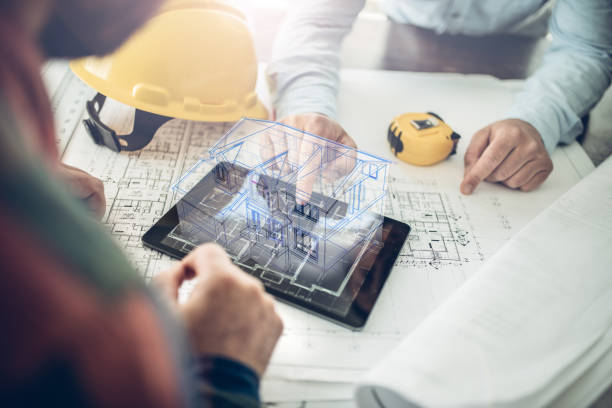
The global real estate market is experiencing a massive technological transformation that goes far beyond traditional property listings. The traditional view of investing in property has been the acquisition of land, structures, or houses. With the explosion in interactive online communities of today, the notion of property ownership is being transformed entirely. Virtual worlds are becoming a valid asset class on which people come together to socialize and transact real business. With this digital transformation comes new economic possibilities, as bold individuals have the opportunity to purchase and invest in properties within extremely immersive virtual environments.
Applying Traditional Property Strategies To Digital Spaces

While it may sound a bit out there, the idea of buying virtual land works on the same economic principles as buying real estate. A digital plot is only valuable if it is in a great location, has high foot traffic, and is engaged in by the community. Corporate brands are keenly buying up virtual spaces to build interactive storefronts, digital entertainment centers, and corporate headquarters. To discover how modern real estate innovation intersects with digital communities, reading the detailed industry analysis at https://www.registercitizen.com/realestate/article/Pandemic-stories-Northwest-corner-attracts-two-16183233.php highlights the fascinating ways digital assets are gaining massive commercial value. With this strategic move, the developers are able to create a new virtual design that would draw thousands of daily visitors from across the globe.
Securing True Ownership Through Blockchain Technology

The traditional conveyancing process can involve tedious legal work, high title insurance costs, and slow banking procedures, which can take weeks to finish. Virtual real estate removes these cumbersome administrative hurdles with a secure blockchain network to handle deeds. By tokenization, each piece of digital land becomes an asset that is unique and cannot be duplicated or stolen. This open accounting system ensures unquestioned ownership proof to any overseas customers, without any central authority. Additionally, this safe technology enables instant fractional ownership, which implies that several independent investors can quickly pool their cash to acquire the top-quality virtual business property with each other.
Expanding Commercial Value Through Global Gaming Culture
Virtual property is increasingly a part of the ever-expanding global gaming culture. Internet users no longer only view flat websites; they interact in 3-D with a degree of involvement and intimacy that calls for a ‘personality’ or ‘liveness,’ even within the format of the Web page. These are places with people who act as digital town squares for huge communities to come together and enjoy live music, visit art galleries, and buy digital products. The digital ownership of land enables creators and entrepreneurs to monetize their content directly in these highly active digital areas. The demand for virtual space is growing quickly and is on the rise in the commercial market as communities spend more hours per day inside.
Eliminating The Physical Limitations Of Construction
No matter how big a construction project is, it’s always constrained by geographical restrictions, cost of raw materials, weather and strict local zoning laws. Virtual property development completely removes all these structural restrictions, offering absolute creative freedom to modern designers. The architects can create great landmarks that defy gravity without any material cost or maintenance costs in time. Brands interested in creating a deeply memorable virtual space that’s easily accessible for an international audience can only be tempted enough.
Conclusion
The virtual world is completely transforming the real estate sector with new ways of property ownership. Tech platforms have developed a very functional and sustainable digital economy, by merging traditional investment tools with secure blockchain technology. Online gaming culture and the complete elimination of physical construction means that these assets are valuable for years to come, with a rapid growth rate. While physical land will always remain essential, the virtual frontier offers unlimited room for creative and commercial expansion. By planning your investment approach for this digital upswing now, you’ll position yourself for triumph in the future of real estate.