

We know that raising awareness is a first step in tackling societal issues. It is important to be aware of the issue, but not to solve it. To protect vulnerable individuals and assist survivors, we need to step beyond talking. We must take action that will make a difference. Transitioning from passive awareness to active participation empowers us to make a measurable difference. Below are some easy steps you can take to help support prevention efforts now.
Educating Yourself and Your Community
Education is the key to prevention. What you don’t know, you can’t prevent. Be aware of what abuse is and what tactics are used by the perpetrators. Consume trusted resources and discuss with family. There are many individuals who wish to make a difference, but are unsure how. Sharing educational materials is a simple yet powerful way to help the cause and protect those around you. An informed community makes it much harder for abuse to occur unnoticed.
Supporting Specialized Organizations
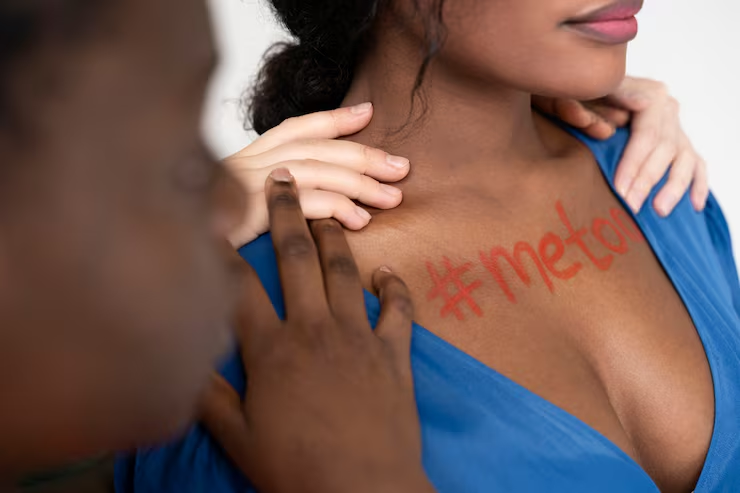
Many nonprofits dedicate their entire mission to supporting survivors and preventing future abuse. These organizations provide therapy retreats, educational resources, and crisis support. Their effect can be magnified by also making financial donations. These groups need regular resources to grow, and even a small monthly donation can help them achieve this. Look for organizations actively growing and adapting their services to aid more people. Dedicated people can offer life-changing resources through financial support. Your contribution directly funds the healing journey for many individuals.
Fostering Safe Spaces for Open Dialogue
Prevention and healing require a lot of silence. You can do something about it by setting boundaries and making body autonomy a topic for conversation. Have honest dialogues with kids in your life about their need to feel safe. Listen without judging and support without hesitation when a survivor wants to tell their story. If they believe in survivors and validate their experience, then the stigma is removed from abuse. These crucial discussions will be conducted in an unfearful manner and eliminate secrecy that enables negative behaviors.
Volunteering Your Time and Skills
If you cannot support an organization financially, you can still make a massive impact by volunteering. There’s always a need for passionate people to help lead the programs of nonprofits. Perhaps you can provide graphic design, writing, or event organizing for their promotions. You may also offer to do some education outreach in your area, or get involved in fundraising activities. Donating your time shows survivors their community genuinely cares about their well-being. Each hour you spend makes a difference in reaching 1 more person silently suffering.
Advocating for Better Prevention Policies

Systemic change is often a necessary component of changing the laws and institutional policies. You can make a difference by promoting school-based comprehensive prevention programs. Continue to teach personal safety to children through school administration. Reach out to the local representatives to back a bill that will give vulnerable people protection and fund survivor resources. Civic engagement may sound daunting, but it is a very effective way of making our environment safer. Your voice can sway decisions, which help thousands of kids and adults.
Participating in Community Awareness Events
Many communities offer walks, seminars, or training sessions on abuse prevention. It’s a great opportunity to be there, express solidarity, and gain some practical strategies for intervening. Your showing up at these gatherings makes an impact on survivors, showing them that they are not alone. Attending community activities gives you a chance to meet others with shared interests and passion for creating a safer world. You can work together to develop local solutions and create a solid network to help stop abuse and promote healing.
Conclusion
Moving from awareness to action requires an intentional commitment to creating a safer world. Your efforts can make a big difference, whether you educate your neighbors to donate to a growing nonprofit or advocate for improved local policies. No organization or a few advocates can do it alone. Requires a coordinated community response at the local level. By taking these practical steps, you transform your empathy into tangible support. Start today: choose one action from this list and become an active participant in prevention.